…As Rewane calms fears over ₦1.15tr borrowing
The World Bank is set to consider Nigeria’s fresh $1 billion Development Policy Financing request on December 16, a move aimed at bolstering President Bola Tinubu’s ongoing economic reforms, job creation efforts, and private sector investment drive.

The loan, structured as a $500 million IDA credit and a $500 million IBRD facility, falls under the “Nigeria Actions for Investment and Jobs Acceleration’ programme — one of the flagship initiatives of the Tinubu administration’s reform agenda. If approved, the funds will be released in two tranches to expand access to credit, support digital inclusion, and promote inclusive growth across sectors.
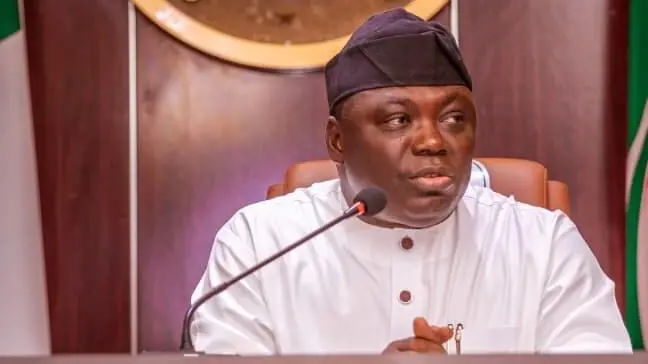
Meanwhile, concerns over President Tinubu’s separate ₦1.15 trillion domestic borrowing request were downplayed by leading economist Bismarck Rewane, who described the move as “nothing new.” Speaking on a television programme yesterday, the Managing Director of Financial Derivatives Company Limited said the request was merely part of implementing the 2025 budget financing plan, not an additional borrowing spree.
“I think the approvals being requested now are just to ratify what is there; these are not additional debts,” Rewane explained. “Because our revenue has increased – following the removal of fuel and forex subsidies – Nigeria’s capacity to service existing loans has significantly improved. There’s no reason for panic at all”.
On Tuesday, President Tinubu had written to the National Assembly seeking approval for the ₦1.15 trillion domestic borrowing to bridge the 2025 Budget deficit, estimated at over ₦13 trillion. The request has since been referred to the Senate Committee on Local and Foreign Debt for review and recommendation within a week.
Both the World Bank’s pending $1 billion facility and the domestic borrowing plan are expected to work in tandem to stabilize Nigeria’s fiscal position, support reform momentum, and sustain critical investments in infrastructure and job creation as the government prepares to roll out its 2026 Budget.